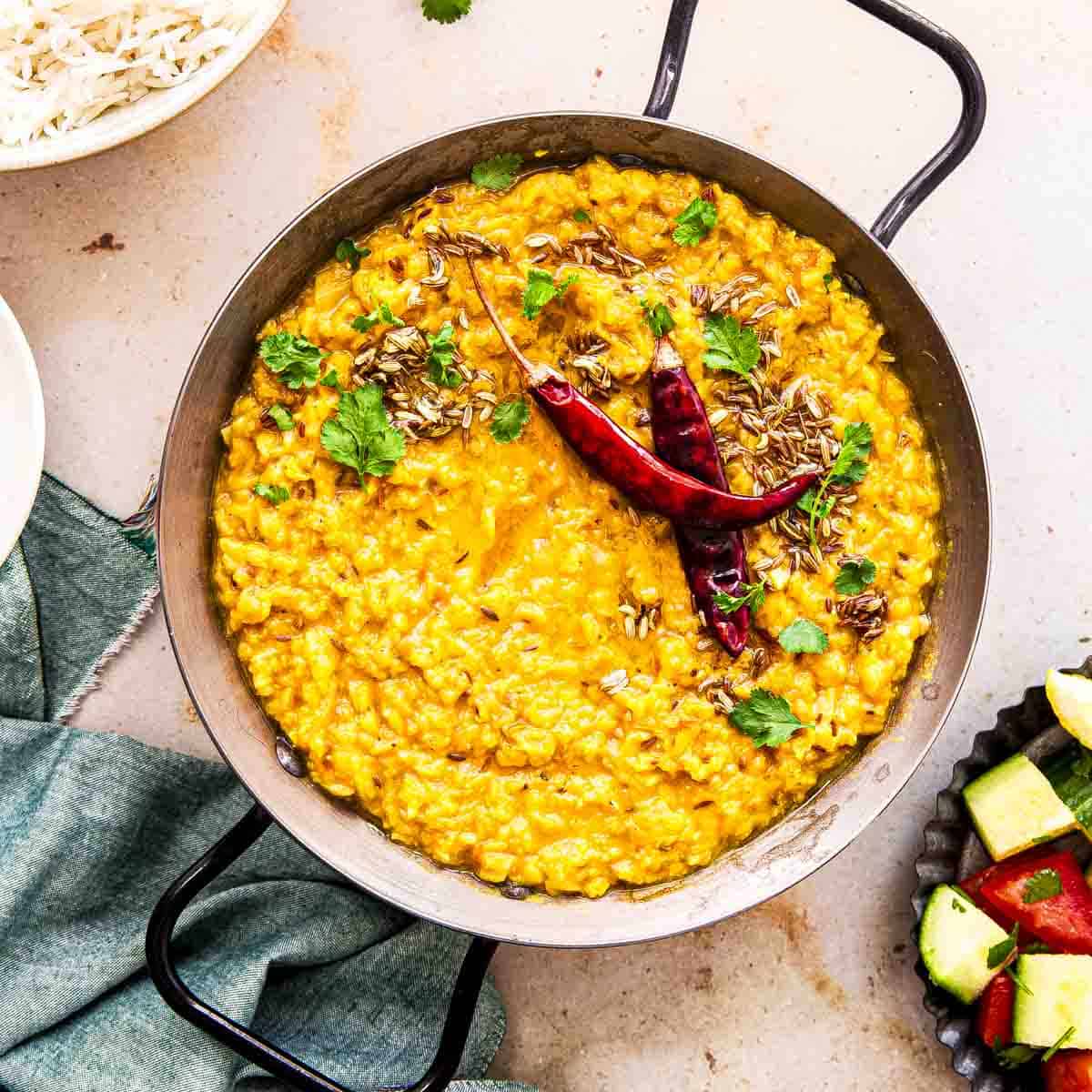
Easy Tarka Dal Recipe: Master the Art of Spiced Lentil Perfection
If you're seeking a dish that offers both deep comfort and an explosion of flavor, look no further than an authentic
Tarka Dal: A Cozy, Flavor-Packed Indian Lentil Dish You'll Love. This isn't just another lentil dish; it's a culinary experience that feels like a warm hug in a bowl, perfect for any day you crave something nutritious, hearty, and utterly delicious. The magic of tarka dal lies in its creamy, tender lentils beautifully complemented by a vibrant tempering of fragrant spices – the "tarka" itself – which truly brings the dish to life. Get ready to elevate your home cooking and add this incredibly satisfying recipe to your regular rotation.
What is Tarka Dal and Why You'll Love It?
At its heart,
tarka dal is a popular Indian lentil stew, distinguished by its unique tempering process. The word "tarka" (also known as "tadka") refers to the technique of heating oil or ghee and infusing it with aromatic spices, which are then poured over the cooked lentils. This final flourish is not just for show; it's a crucial step that unlocks and deepens the flavors, adding a rich, fragrant dimension and a delightful textural contrast to the otherwise simple dal.
What makes tarka dal so beloved?
- Unparalleled Flavor: The combination of earthy lentils, savory aromatics, and toasted spices creates a complex, comforting taste profile.
- Nutritious & Wholesome: Lentils are packed with protein, fiber, and essential minerals, making this a healthy and fulfilling meal.
- Incredibly Versatile: Serve it as a stand-alone main course with rice or bread, or as a flavorful side dish to your favorite curries.
- Budget-Friendly: Made with inexpensive pantry staples, tarka dal is a fantastic economical option for feeding yourself or a crowd.
- Customizable: Easily adjust the spice level, sourness, and consistency to suit your personal preferences.
It’s a staple in Indian households for good reason, offering both simplicity and sophistication in every spoonful.
Essential Ingredients for Your Perfect Tarka Dal
Crafting the perfect tarka dal begins with selecting quality ingredients. While the core recipe is straightforward, the freshness and type of each component can significantly impact the final flavor.
For the Lentils:
- Lentils: This recipe typically shines with split pigeon peas (toor dal) or split chickpeas (chana dal). If using chana dal, ensure it's rinsed thoroughly until the water runs clear to remove residues and aid in softening.
- Water: For cooking the lentils.
- Salt & Freshly Ground Black Pepper: To season.
For the Tarka (Tempering) and Sauce:
- Oil or Ghee: Ghee imparts a richer, nutty flavor, but any neutral cooking oil works well.
- Cumin Seeds: The cornerstone of many Indian temperings, adding an earthy warmth.
- Onion: Finely chopped for sweetness and depth.
- Fresh Ginger: Grated or finely minced for a pungent, aromatic kick.
- Green Chilies: Freshly chopped to provide a controllable level of heat.
- Garlic: Crushed or pureed. For garlic lovers, don't shy away from adding an extra clove or two.
- Tomatoes: Well-flavored vine tomatoes or standard supermarket tomatoes are ideal. Avoid plum tomatoes, which can be too sweet for this dish.
- Ground Turmeric: For color and its distinct earthy notes.
- Garam Masala: A blend of ground spices, adding complexity and warmth.
- Coriander Powder: For a citrusy, slightly sweet depth.
- Fresh Cilantro: Chopped, for a burst of freshness as a garnish.
- Lemon Juice (Optional): A squeeze at the end can brighten the flavors and add a pleasant tang if you prefer a sourer profile.
Step-by-Step Guide to Mastering Your Easy Tarka Dal
Don't be intimidated by the number of ingredients; making tarka dal is an approachable process. We'll break it down into simple, manageable steps to ensure your success.
1. Cooking the Lentils to Perfection
The foundation of any great dal is perfectly cooked lentils:
- Rinse Lentils: If using chana dal, place about 1 cup of lentils in a fine-mesh sieve and rinse under cold running water until the water runs completely clear. This step is crucial for removing impurities and helping the lentils cook evenly.
- Boil & Skim: Combine the rinsed lentils with 3-4 cups of fresh water in a medium pot. Bring the mixture to a rolling boil over high heat. As froth forms on the surface, use a spoon to skim it off. This helps achieve a clearer, cleaner-tasting dal.
- Simmer: Once skimmed, reduce the heat to a low simmer, cover the pan with a lid, and cook for 35 to 40 minutes, stirring occasionally. The lentils should become tender but still hold some shape, not completely mushy. Add more water as necessary if the dal becomes too thick during cooking.
- Whisk & Set Aside: Once cooked, remove the pan from the heat. Use a whisk to gently break down some of the lentils, creating a creamier consistency while still leaving some texture. Set the cooked lentils aside to thicken slightly as they cool.
2. Crafting the Flavorful Tarka (Tempering) and Sauce
This is where the magic happens – building the aromatic sauce and the defining tarka:
- Heat Oil: In a separate pan (a medium-sized frying pan or a small kadai is ideal), heat 2 tablespoons of oil or ghee over medium heat.
- Cumin Seeds: Add 1 teaspoon of cumin seeds to the hot oil. Fry for 20 to 30 seconds, or until they turn golden brown and become wonderfully fragrant. Be careful not to burn them.
- Sauté Aromatics: Add 1 finely chopped onion, 1-2 green chilies (adjust to your spice preference), and 1 teaspoon of grated ginger. Sauté for 4 to 5 minutes, stirring frequently, until the onions turn golden brown and soften.
- Prepare Tomato-Garlic Puree: While the aromatics are cooking, blend 2-3 medium tomatoes (remember: vine or supermarket, not plum) with 2-4 cloves of garlic (depending on your love for garlic) in a food processor until it forms a smooth puree.
- Cook the Puree: Add the tomato-garlic puree to the pan with the sautéed aromatics. Stir well to combine.
- Add Ground Spices & Simmer: Stir in 1/2 teaspoon turmeric powder, 1 teaspoon garam masala, and 1 teaspoon coriander powder. Add approximately 100ml (about 1/4 cup + 2 tablespoons) of water to help the spices cook without burning. Season the mixture with salt to taste.
- Develop the Sauce: Simmer the sauce over medium heat for 15 to 20 minutes, stirring occasionally. The sauce is ready when the oil separates and rises to the surface, indicating the spices have cooked through and the flavors have melded beautifully.
3. Bringing it All Together
The grand finale, combining the lentils with your fragrant tarka:
- Combine Dal & Sauce: Add the cooked, whisked lentils to the pan with the prepared sauce. Stir well to thoroughly combine all the ingredients.
- Adjust Consistency: If the mixture is too thick for your liking, add a little more hot water, a tablespoon at a time, until it reaches your desired consistency. Tarka dal can range from a thick, stew-like consistency to a looser, soupier one.
- Final Seasoning: Bring the dal to a gentle boil, then reduce the heat and let it simmer for a few more minutes to allow the flavors to fully marry. Taste and adjust seasoning with additional salt and freshly ground black pepper if needed.
- Garnish & Serve: Just before serving, stir in a generous handful of freshly chopped cilantro. If you enjoy a touch of tang, squeeze in a tablespoon of fresh lemon juice.
Pro Tips for an Unforgettable Tarka Dal
Mastering tarka dal involves understanding a few nuances that can elevate your dish from good to extraordinary.
- Lentil Variety Matters: While we’ve focused on chana dal, toor dal (split pigeon peas) cooks faster and yields a creamier texture. You can also use a mix of dals for a more complex flavor profile. Adjust cooking times accordingly.
- The Power of the *Tarka*: Don't rush the tempering process. Each step, from frying the cumin seeds until fragrant to browning the onions, builds layers of flavor. A perfectly executed tarka is the soul of this dish.
- Tomato Choice is Key: As mentioned, avoid sweet plum tomatoes. The slight acidity from vine or regular supermarket tomatoes provides a crucial balance to the richness of the dal and spices.
- Spice Freshness: Freshly ground spices (if possible) or good quality pre-ground spices make a significant difference in the vibrancy of your tarka dal. Store your spices correctly to maintain their potency.
- Consistency Control: Some prefer a thick, almost spreadable dal, while others like it thinner, more like a soup. Always have hot water on hand to adjust the consistency to your preference when combining the dal and sauce.
- Serving Suggestions: Tarka dal is incredibly versatile. It pairs beautifully with steamed basmati rice, fluffy naan bread, or whole wheat roti. It also makes a fantastic side dish to other Indian curries or grilled meats.
- Batch Cooking & Freezing: Tarka dal is an excellent candidate for meal prep. It freezes exceptionally well! Allow it to cool completely, then divide it into single or family-sized portions and store in airtight freezer bags or containers for up to 3 months. Reheat gently in a saucepan over low heat, adding a splash of water if needed, or microwave until piping hot. This makes Healthy Tarka Dal: The Ultimate Comfort Food for Batch Cooking a breeze.
This easy tarka dal recipe offers a delightful journey into the heart of Indian comfort food. With its rich, aromatic spices and creamy lentils, it's a dish that nourishes both body and soul. By following these steps and incorporating our pro tips, you're not just cooking a meal; you're mastering the art of spiced lentil perfection. So, gather your ingredients, fire up your stove, and prepare to savor one of the most beloved dishes in Indian cuisine. Enjoy the warmth, the flavor, and the sheer satisfaction of a homemade tarka dal!